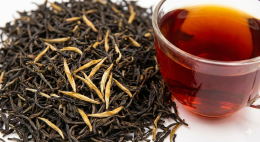
Red Tea (Hong Cha) is a warm, glowing hearth on a winter’s evening. For many in the West, this category is known as “Black Tea,” but in China, it is named for the deep, shimmering crimson of its liquor. While it is the most globally recognized type of tea, Chinese Red Tea offers a level of honeyed sweetness, cocoa-like depth, and floral elegance that is a world away from the astringent breakfast blends found in grocery store tea bags.
The Crimson Revolution: History and Culture
Red tea is a relatively young member of the tea family, emerging in the late Ming and early Qing Dynasties (around the 17th century). Legend has it that its discovery was a happy accident in the Wuyi Mountains. A passing army decided to camp at a tea factory, delaying the drying of the fresh leaves. To keep them from spoiling, the farmers quickly dried the now-darkened leaves over pine fires. The result was Lapsang Souchong, often cited as one of the earliest red/black teas.
While green tea was long associated with the scholarly elite, red tea became a major driver of global trade. It was this “Red Tea” that captured the hearts of European royals and fueled the tea culture of the British Empire. In China today, red tea is often described as “warming” in Traditional Chinese Medicine; it’s commonly chosen in colder months or by those who prefer gentler teas.
The Jewels of the East: Famous Varieties
Chinese red teas vary wildly based on their region and the specific cultivar of the tea plant. Here are the most prestigious varieties that every amateur enthusiast should explore:
| Variety | Region | Flavor Profile | Distinctive Feature |
|---|---|---|---|
| Zheng Shan Xiao Zhong | Wuyi Mt, Fujian | Longan fruit, pine smoke, or honey. | The original red tea; can be smoky or un-smoky. |
| Dian Hong | Yunnan | Malt, sweet potato, cocoa, and pepper. | Known for its large, golden-fuzzy buds and rich body. |
| Qimen Hongcha (Keemun) | Qimen, Anhui | “Keemun fragrance”—floral, fruity, and wine-like. | A classic favorite of the British Royals. |
| Jin Jun Mei | Wuyi Mt, Fujian | Intense honey, wildflower, and nectar. | Made entirely of tiny, delicate spring buds; very high-end. |
| Yingde Hongcha | Guangdong | Rich, chocolatey, and smooth. | A rising star known for its bold, “creamy” mouthfeel. |
Red Earth and Pine Forests: The Geography
The soul of red tea is often found in the soil. In Yunnan, the birthplace of tea, the “Dian Hong” varieties grow in vibrant red, acidic soil at high altitudes. The tropical sun and heavy mists produce large, robust leaves that are packed with polyphenols, leading to a bold, malt-forward brew.
In the Wuyi Mountains of Fujian, the geography is characterized by rocky cliffs and pine forests. This is where the “smoky” culture of red tea began. The traditional processing houses (called Qing Lou) are multi-story wooden structures where the tea is withered and dried over smoldering pine roots. This environment imparts a “mountain charm” to the tea—a balance of wild floral notes and deep, earthy minerals.
The Art of Oxidation: How Red Tea is Made
The primary difference between red tea and its cousins is full oxidation. While green tea is heated to prevent oxidation, red tea is encouraged to fully “breathe,” transforming the green tannins into sweet, dark thearubigins.
- Withering: This is much longer than for green tea. The leaves are spread out until they lose their turgidity and become soft like silk, which allows the leaves to be rolled without breaking.
- Rolling (Heavy): The leaves are subjected to intense rolling to intentionally break the cell walls. This releases the internal juices and enzymes, coating the surface of the leaf and preparing it for the chemical reaction with oxygen.
- Oxidation (The “Reddening”): The rolled leaves are placed in a warm, humid environment. Over several hours, the leaves change from green to a coppery red. The tea master must use their nose to detect the exact moment when the “grassy” smell turns into a fragrance of ripe fruit or honey.
- Drying (Firing): High heat is applied to stop the oxidation and lock in the flavor. In the case of traditional Lapsang Souchong, this drying is done over a pine fire, which infuses the leaves with its iconic smoky aroma.
The Golden Sip: How to Prepare Red Tea
Red tea is remarkably robust and easier to brew than green tea, but it still requires a gentle touch to avoid bringing out too much bitterness.
- Water Temperature: Use water just off the boil, around 90°C to 95°C. If you use 100°C boiling water on a delicate bud-heavy tea like Jin Jun Mei, you might lose the subtle floral top notes.
- The Vessel: A Yixing purple clay pot is fantastic for Dian Hong as it enhances the malty body. For more floral teas like Qimen, a porcelain Gaiwan is better for capturing the high-pitched aromas.
- The Brew: Red tea infuses quickly. In a Gongfu setting, start with a 15-second steep. You will notice the liquor is a brilliant, clear amber or deep ruby.
- No Milk/Sugar: While Western black tea is often “dressed up,” Chinese red teas are naturally sweet. Look for notes of caramel, dried longan, and chocolate that emerge naturally from the leaf.
Back to Major Tea Categories .